Softonic broke the Zeverland news last week: a PvE open-world zombie survival crafter from Shanghai studio Quantum Quirks, pitched as Rust plus Minecraft plus interactable everything on Steam page (app ID 3371050). The game is still in play tests, though, and the release window is loose. Seven Zeverland alternatives on Windows, macOS, and Linux cover the same design pillars: build a base, scavenge biomes, kill zombies, keep playing after your first death.
Quick comparison
| Game | Best for | Free demo | Starting price | Standout feature |
|---|---|---|---|---|
| Rust | Server-driven PvP survival | No | $39.99 | Wipe-cycle server culture |
| 7 Days to Die | Base-defense + crafting | No | $44.99 | Blood Moon horde nights |
| DayZ | Slow-burn realism | No | $44.99 | Persistent hunger and thirst |
| Project Zomboid | 2D deep-sim survival | No | $19.99 | Character trait system |
| Valheim | Norse coop building | No | $19.99 | Boss-gated biome progression |
| Sons of the Forest | Story-driven island | No | $29.99 | Kelvin the AI companion |
| SCUM | Simulation-heavy hardcore | No | $34.99 | Metabolism and skill trees |
Why Zeverland matters and what to play now
Zeverland’s Steam page promises a 24 by 24 km world split into biomes with different infection levels, PvE only, and interactable objects (strap a zombie head to a bat, weld a bed into your RV). Playtests kicked off in mid-July and community reports call it competent but early. There’s no confirmed launch date.
The pitch is also a Rust plus Minecraft mashup, and that’s the space to look for alternatives. Every game below hits at least two of the three core loops Zeverland promises: crafting, base-building, and zombies. Some go deeper on one axis than Zeverland will, which makes them worth playing on their own even after Zeverland ships.
The alternatives
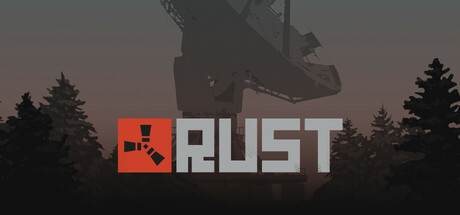
Rust – Best for the “Rust” half of Zeverland’s pitch
Rust is the game Zeverland is being compared to on the crafting-and-server-culture axis. You wake up on a beach with a rock. You gather wood, build a base, tech up to guns, and try not to lose your loot to the raid meta. The zombie element in Rust is thin (radiated animals, occasional NPC scientists), so it’s not a match for Zeverland’s zombie tone, but the base-building and PvP loops are the reference.
The wipe cycle is what makes Rust either brilliant or exhausting. Servers reset weekly or monthly, forcing everyone back to zero. There is no permanence beyond your Steam hours.
Where it falls short: Solo play is punishing; the game assumes a clan. Toxicity in text chat is a real thing. The genre-defining wipe cycle wipes your progress.
Pricing:
- Free: No demo, but weekend free trials on Steam every few months.
- Paid: $39.99 base; Rust+ (mobile companion) is free.
- vs Zeverland: Similar crafting depth, adversarial PvP-first design.
Migrating from Zeverland: No save transfer possible. Any Zeverland playtime translates to base-planning skills.
Download: Steam
Bottom line: Buy Rust if you want the PvP survival loop Zeverland is being compared to. Skip if you want PvE only.
7 Days to Die – Best for the base-defense zombie loop
7 Days to Die is the closest match to Zeverland on paper: zombies, crafting, base-building, scavenging, and interactable structures you can dismantle down to raw materials. The Blood Moon horde every seventh in-game day is the core rhythm. You spend six days preparing, and one night surviving a wave assault on your base.
The game left early access in June 2024 with the 1.0 launch, so what you buy today is a shipped product rather than a rolling alpha. The zombie AI navigates around obstacles and digs through walls, which forces base designs that account for pathing, not just line of sight.
Where it falls short: The console versions are stuck on an older build. Graphics look dated compared to Zeverland’s PS5-era visual pitch. Multiplayer is peer-hosted, so ping quality varies.
Pricing:
- Free: No demo.
- Paid: $44.99 base; season pass adds outfit sets and story quests.
- vs Zeverland: Comparable price, deeper base-building today, less polish.
Migrating from Zeverland: No transfer. 7 Days to Die is where the base-defense fantasy Zeverland promises already exists.
Download: Steam
Bottom line: The best current-day match for Zeverland’s core loop. Buy first if base defense is what pulled you in.
DayZ – Best for slow-burn realism
DayZ is the ancestor of the modern survival genre and still the benchmark for tension. There is no crafting tree in the RPG sense. You find a wrench, then a screwdriver, then a rain jacket, and you plan around what’s already in your inventory. The infected are threats, but other players are the real story.
The map (Chernarus or Livonia) is 225 square kilometers. Nights are dark. Sound design is used as a weapon in Zeverland’s opening cinematics, and DayZ was doing it a decade ago.
Where it falls short: No base persistence on official servers longer than a few weeks. Community servers are inconsistent. The client crashes more than any other game on this list.
Pricing:
- Free: No demo.
- Paid: $44.99 base; Livonia DLC $12.99.
- vs Zeverland: Similar price, radically different pace.
Migrating from Zeverland: No transfer. DayZ is what you play when Zeverland’s zombie count feels too high.
Download: Steam
Bottom line: Buy DayZ if slow, tense, realism-first survival is the appeal. Skip if you want fast base-building loops.
Project Zomboid – Best for depth over graphics
Project Zomboid is the isometric zombie survival simulator that never left early access and still gets weekly updates from The Indie Stone. The pitch is “this is how you died,” and the game backs it up. Character traits, moodles (moodlets), skill trees, and profession backgrounds shape every decision. A carpenter builds sturdier walls than a fireman.
Build 42 hit stable in late 2025 with animals, farming rewrites, and a full basement system. The map (Knox County, Kentucky) has been growing for a decade of updates.
Where it falls short: Ugly 2D art turns off newcomers. Multiplayer setup requires a dedicated server. The learning curve is steep; new players die from cold before they see a zombie.
Pricing:
- Free: No demo.
- Paid: $19.99 base, all content updates free forever.
- vs Zeverland: Half the price, ten times the systems depth, uglier.
Migrating from Zeverland: No transfer. Different visual language, similar survival stakes.
Download: Steam
Bottom line: The best-value pick on this list. Buy first if you want depth and don’t care about visuals.
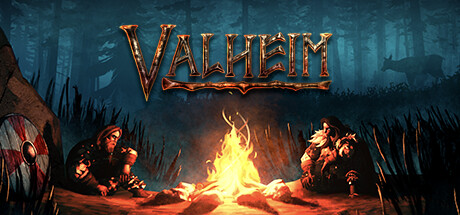
Valheim – Best for the Minecraft half of Zeverland’s pitch
Valheim is Iron Gate’s Norse survival crafter and the game most often cited alongside Rust when people say “Rust plus Minecraft.” No zombies, but the crafting, building, and boss-gated biome progression tick the same design boxes Zeverland promises. Ashlands, Deep North, and Mistlands biomes add the escalation zombies would in Zeverland.
Building freedom is the highlight. The physics-based structural system means longhalls fall down if you don’t support them. Coop is drop-in, drop-out. Servers are peer-hosted or dedicated.
Where it falls short: No zombies at all. The mid-game grind (bronze into iron) drags for some players. Combat is stiffer than the crafting systems deserve.
Pricing:
- Free: No demo.
- Paid: $19.99 base, all content updates free.
- vs Zeverland: Half the price, no zombie fantasy.
Migrating from Zeverland: No transfer. Valheim’s building system is what Zeverland’s is being compared to.
Download: Steam
Bottom line: Buy if the Minecraft side of the Zeverland pitch is what excites you. Skip if zombies are non-negotiable.
Sons of the Forest – Best for story-first island survival
Sons of the Forest is Endnight’s followup to The Forest and a slower, more story-driven take on survival crafting. The cannibals here are Zeverland’s tonal cousins: humanoid, aggressive, and organized enough to lay traps. Kelvin, your AI companion, chops trees and fetches sticks on command, which fills the coop-solo gap most survival games leave open.
The island map is smaller than Zeverland’s promised 576 km², but the vertical density (caves, bunkers, GPS-tracked story beats) makes exploration feel dense.
Where it falls short: Story cutscenes are threadbare. Kelvin’s AI is occasionally broken. Late-game cave content is a big jump in difficulty.
Pricing:
- Free: No demo.
- Paid: $29.99 base, all patches free.
- vs Zeverland: Cheaper, story-driven, cannibals over zombies.
Migrating from Zeverland: No transfer. Sons of the Forest is the survival game with the most character-driven world.
Download: Steam
Bottom line: Buy if you want a story to survive around, not just a sandbox to build in.
SCUM – Best for the simulation-heavy option
SCUM is the deepest simulation on this list. Metabolism, vitamin intake, body temperature, and even stomach contents all matter. The premise (reality-TV prisoners on an island) frames the world, but the meat of the game is the interlocking survival systems. Puppets (the zombie stand-ins) are only one of many threats. Weather kills. Malnutrition kills. Other prisoners kill.
The Croatian studio Gamepires released the 1.0 build in September 2024. Base-building and vehicle systems finally feel finished. Modded servers cover any playstyle from PvE only to full deathmatch.
Where it falls short: The learning wall is a mountain. Character menus have menus inside menus. Performance depends heavily on server population.
Pricing:
- Free: No demo.
- Paid: $34.99 base, $9.99 supporter pack.
- vs Zeverland: Similar price, way deeper systems, less polish.
Migrating from Zeverland: No transfer. SCUM is the game to play when you want survival systems that punish inattention.
Download: Steam
Bottom line: Buy SCUM if you want the deepest simulation on this list. Skip if you already tried it and bounced off the menus.
How to choose
Pick 7 Days to Die if you want the closest current-day match to Zeverland’s zombie-plus-base-building pitch and can look past 2018 visuals.
Pick Rust if the “Rust” side of the comparison is what drew you in, and you already play with a group.
Pick Valheim if the “Minecraft” half of Zeverland is what you want, and you can drop the zombie requirement.
Pick Project Zomboid for the best value on this list. It’s $19.99 and outlasts every triple-A survival release.
Pick SCUM if you want the deepest simulation systems and don’t mind spending a weekend reading menus before your character stops dying to cold.
Stay off DayZ and Sons of the Forest first if you’re looking for the exact Zeverland pitch. Both are excellent, but pull further from the core loop than the other five.
FAQ
When does Zeverland release?
Softonic reported playtests are open with no confirmed release date. Quantum Quirks in Shanghai is targeting early access first, then 1.0 later. The Steam page listing is app ID 3371050.
Is Zeverland PvE only?
Yes. The Steam page description labels it a PvE crafter, meaning no player-vs-player servers at launch. That is the biggest divergence from Rust.
What game feels most like Zeverland’s Rust plus Minecraft pitch?
7 Days to Die combines both loops closest and adds zombies. Valheim covers the Minecraft-crafting side without zombies. Rust covers the PvP side without either.
Do any of these run on Steam Deck?
Rust (Verified), Valheim (Verified), Project Zomboid (Verified), 7 Days to Die (Playable), and Sons of the Forest (Playable) run acceptably on the Deck. DayZ and SCUM are Unsupported due to anti-cheat drivers.
What is the cheapest option?
Project Zomboid and Valheim both retail at $19.99. Both regularly drop to $9.99 in Steam sales, and both are on Steam Deck.