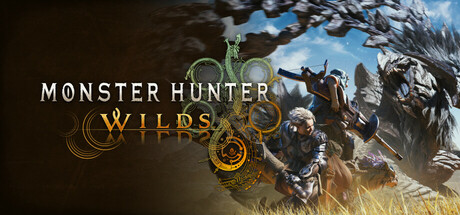
The Polygon coverage of Monster Hunter Wilds’ Ascendance expansion confirmed that some of the franchise’s best elder dragons are returning, but expansions land in waves and the gap between content patches can stretch months. Players who hit endgame, sharpened their main weapon to mastery, and are waiting for the next title update want to keep hunting now, not next quarter. The good news is the genre Capcom built has real competition for the first time in years.
We tested seven Monster Hunter Wilds alternatives on Windows that share its DNA: large monster fights, deep weapon variety, co-op hunts, and gear-progression loops. Some are direct genre peers, some are spiritual cousins from adjacent action-RPG territory.
Quick comparison
| Game | Best for | Cost | Standout | Where to buy |
|---|---|---|---|---|
| Monster Hunter: World | The genre’s modern foundation | $29.99 | Iceborne expansion depth | Steam |
| Monster Hunter Rise | Faster-paced Capcom alternative | $29.99 | Wirebug mobility | Steam |
| Wild Hearts | Karakuri-built construction hunt | $49.99 | Build-mid-combat mechanic | Steam |
| Dauntless | Free-to-play behemoth hunting | Free | Cross-progression | Epic, Steam |
| God Eater 3 | Anime-flavored hunting | $59.99 | Burst Arts customization | Steam |
| Dragon’s Dogma 2 | Action RPG with hunt-scale bosses | $69.99 | Pawn system | Steam |
| Code Vein | Soulslike with party hunting | $59.99 | Partner Hunter AI | Steam |
Why “what should I play after Monster Hunter Wilds” is the question
The recurring threads on r/MonsterHunter and the Steam discussions:
- The main story is finite. Endgame hunters who have mastered all 14 weapons want either Ascendance content right now or a fresh genre to learn
- The Ascendance expansion will not include every fan-favorite elder dragon at launch; the rollout takes months
- The “one more hunt” loop is genre-specific and very few games replicate it well
- New Monster Hunter players who fell in love with World or Wilds are working backwards through the catalog
- Co-op hunters need games with active matchmaking populations, which narrows the list significantly
Each pick below addresses a specific gap. The first two are direct Monster Hunter retreats. The middle picks are genre peers. The last two stretch into action RPG territory while keeping the boss-scale hunt feel.
The 7 best Monster Hunter Wilds alternatives
Monster Hunter: World — the modern foundation
Monster Hunter: World is the entry that built the modern Monster Hunter playerbase. With Iceborne, it remains the deepest single MH experience available on PC. The roster of monsters across base and master rank is enormous, weapon variety is identical to Wilds, and the matchmaking population is still healthy years after launch.
For Wilds players who never played World, this is the obvious first stop. The Clutch Claw, Slinger, and Iceborne master rank quests add hours of mastery content that Wilds intentionally streamlined away.
Where it falls short: Movement feels heavier than Wilds. Some QoL features the new game has are missing here. The Guiding Lands endgame loop is divisive.
Pricing:
- Free: No
- Base: $29.99, Iceborne expansion $39.99 separately (regular discounts to $9.99 for the base)
- vs Wilds: Cheaper, more total content, older feel
Switching from Wilds: The Slinger and Clutch Claw replace some of Wilds’ mobility systems. Plan to relearn corner positioning around them.
Download: Monster Hunter: World on Steam
Bottom line: Pick Monster Hunter: World when you want more Capcom-built hunts and missed the Iceborne run the first time.
Monster Hunter Rise — faster-paced Capcom hunt
Monster Hunter Rise with Sunbreak is Capcom’s faster, more aerial take on the formula. The Wirebug system gives every weapon a mobility tool, palamutes (rideable hunting dogs) replace the slower walking pace of World, and the Master Rank Sunbreak content adds anomaly research as endgame.
For Wilds players who want a deliberately faster pace and more mobility, Rise is the most movement-focused entry in the modern run.
Where it falls short: Aesthetic and tone divide opinion (lighter, more anime-leaning). Some weapon balance issues persist. Monster roster is smaller than World’s.
Pricing:
- Free: No
- Base: $29.99, Sunbreak $39.99 (regular discounts to $14.99 base)
- vs Wilds: Cheaper, faster, smaller scope
Switching from Wilds: Wirebug Silkbind moves change every weapon’s core combo. Tutorial the weapon you want to main before queueing online hunts.
Download: Monster Hunter Rise on Steam
Bottom line: Pick Monster Hunter Rise when you want a faster, more mobility-driven take from the same studio.
Wild Hearts — Karakuri construction hunt
Wild Hearts by Omega Force and Koei Tecmo is the most direct genre competitor and the only hunt game with a real mid-combat construction system. The Karakuri mechanic lets you build crates, springs, and walls during a fight, then chain them into bigger weapons (a giant hammer, a wall trap, a tower). The kemono (monster) roster is smaller than MH’s but each fight feels distinct.
For Wilds players curious about what genre competition looks like, Wild Hearts is the best non-Capcom hunt on PC.
Where it falls short: Performance has had patches but is still uneven on mid-range hardware. Player population has dipped. Some weapon types feel underbaked.
Pricing:
- Free: No
- Base: $49.99 (regular discounts to $9.89)
- vs Wilds: Cheaper, smaller scope, distinct construction system
Switching from Wilds: Karakuri building is mandatory, not optional. Practice combo Karakuri (springboards into hammers) in the early hunts before hitting harder fights.
Download: Wild Hearts on Steam
Bottom line: Pick Wild Hearts when you want a non-Capcom hunt with the genre’s most original combat mechanic.
Dauntless — free-to-play behemoth hunting
Dauntless by Phoenix Labs is the free-to-play hunt game that has stayed alive on PC and console for years. Hunts are shorter than MH’s (12 to 15 minutes is typical), weapons cover the major archetypes (sword, hammer, chain blades, repeater, war pike, axe, strikers), and cross-progression between platforms is built in.
For Wilds players who want a free option to play with friends who do not own Wilds, Dauntless is the cleanest fit.
Where it falls short: Monetization model has shifted over time and some players miss earlier versions. Endgame loop can feel grindy. Behemoth variety lags MH’s monster count.
Pricing:
- Free: Yes, full game free
- Paid: Cosmetics, season passes, account boosts
- vs Wilds: Free, narrower scope, shorter hunts
Switching from Wilds: The flask system replaces healing items; you carry one flask with a fixed number of charges per hunt. Plan around it rather than expecting MH-style item economy.
Download: Dauntless on Steam
Bottom line: Pick Dauntless when you want a free hunt game with cross-platform play.
God Eater 3 — anime-flavored hunting
God Eater 3 by Bandai Namco is the most stylish anime-leaning hunt game on the list. The God Arcs are transforming weapons (melee + gun + shield in one), the Aragami (monsters) lean grotesque and operatic, and the Burst Arts system lets you customize active skills per loadout.
For Wilds players who want a fast, anime-flavored take on hunting that does not take itself too seriously, God Eater 3 is the most expressive option.
Where it falls short: Story is uneven and lore-heavy. Multiplayer scene is small post-launch. Some boss difficulty spikes are jarring.
Pricing:
- Free: No
- Base: $59.99 (regular discounts to $7.49)
- vs Wilds: Far cheaper on sale, narrower scope, faster-paced
Switching from Wilds: The God Arc’s gun mode is the part most players underuse. Build Burst Arts that lean on ranged options for the harder Aragami.
Download: God Eater 3 on Steam
Bottom line: Pick God Eater 3 when you want a stylish anime hunt with deep weapon customization on a deep sale.
Dragon's Dogma 2 — action RPG with hunt-scale bosses
Dragon’s Dogma 2 by Capcom (the same publisher as Monster Hunter) brings the spirit of hunt-scale boss fights into an open-world action RPG. The Pawn system lets your main character and three AI companions take down griffins, drakes, dragons, and ogres at scales similar to MH endgame fights, but with RPG progression layered on top.
For Wilds players who want hunting-scale combat inside a single-player RPG with deeper character building, DD2 is the best Capcom-adjacent pick.
Where it falls short: Open world has empty stretches. Some quest design is opaque. Performance varies on mid-range hardware.
Pricing:
- Free: No
- Base: $69.99 (regular discounts to $34.99)
- vs Wilds: Comparable, single-player focus, deeper RPG layer
Switching from Wilds: The Pawn system is the multiplayer-feeling alternative; recruit Pawns from other players to fill specialist roles.
Download: Dragon’s Dogma 2 on Steam
Bottom line: Pick Dragon’s Dogma 2 when you want hunt-scale bosses inside a single-player RPG with Pawn-based party play.
Code Vein — soulslike with party hunting
Code Vein by Bandai Namco is the soulslike that brought a party companion (the Partner Hunter system) into the genre. You always have one AI ally, the Blood Veils give every character a customizable secondary weapon system, and the build variety from Blood Codes (job classes) hits MH-style weapon experimentation in a different shape.
For Wilds players who want hunt-scale boss fights inside a soulslike with party play, Code Vein is the closest match.
Where it falls short: Map design is criticized as repetitive. Story leans heavy on anime tropes. Boss design quality is uneven.
Pricing:
- Free: No
- Base: $59.99 (regular discounts to $11.99)
- vs Wilds: Cheaper on sale, soulslike pace, single AI partner
Switching from Wilds: Blood Codes are the build system; try several before committing. The partner AI fills the role of co-op hunts in single-player.
Download: Code Vein on Steam
Bottom line: Pick Code Vein when you want a soulslike with hunt-scale bosses and a built-in AI partner.
How to pick the right one
If you skipped Monster Hunter: World the first time, install Monster Hunter: World with Iceborne. It is still the deepest MH experience available and the modern foundation of the franchise.
If you want Capcom’s faster, more aerial take on the formula, Monster Hunter Rise with Sunbreak is the right call. If you want non-Capcom hunting with the genre’s most original mid-combat mechanic, Wild Hearts is the strongest competitor.
If you want a free hunt game to play with friends who do not own Wilds, Dauntless is the cleanest fit. If a stylish anime hunt with weapon transformations is the change you want, God Eater 3 is the loudest option.
If you want hunt-scale boss fights in a single-player RPG, Dragon’s Dogma 2 is Capcom doing the same scale at a different cadence. If a soulslike with party hunting is the play, Code Vein fills that slot.
Stay with Monster Hunter Wilds when the Ascendance expansion’s elder dragons are still on the way and your main weapon’s mastery curve has more room. Capcom’s title-update cadence keeps adding content for at least a year past expansion launch.
FAQ
What is the best free Monster Hunter Wilds alternative?
Dauntless is the only fully-free entry on this list, and it has stayed in active development for years. It runs shorter hunts than MH, but the cross-platform progression and free-to-play model make it the easiest pick for friends-group hunts where not everyone owns Wilds.
Is Monster Hunter: World better than Monster Hunter Wilds?
For total content volume, World with Iceborne is hard to beat. For combat polish and modern QoL, Wilds is ahead. Most veterans run both: Wilds for current content, World for the Iceborne run when Wilds is between updates.
Can I play Monster Hunter Wilds solo?
Yes, every monster scales to a single player and the Palico companion fills the role of a hunt buddy. Some endgame quests are tuned for multiplayer and become rough solo, but the main story can be cleared single-player.
What is the cheapest Monster Hunter Wilds alternative?
God Eater 3 drops to $7.49 in Steam sales. Wild Hearts drops to $9.89. Both are full hunting games that deliver dozens of hours at a fraction of a new-release price.
When does Monster Hunter Wilds Ascendance come out?
The Polygon coverage confirmed the expansion but the rollout uses Capcom’s typical title-update schedule rather than a single launch. Expect the first major Ascendance content drop later in 2026, with elder dragons rolling out across follow-on updates.