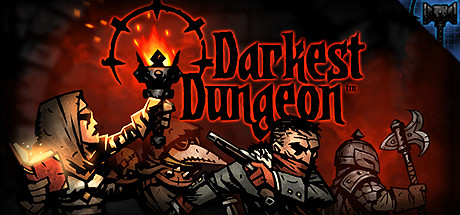
Red Hook’s new DLC drop, a full decade after the original launched, is pulling a lot of us back into the Hamlet. It is also reminding us why we bounced off in the first place. The Ancestor’s narration loops for the hundredth time, a Crusader hits Death’s Door because of a bad RNG string, and the town-return loop between runs starts to feel like homework. If you love the tone but need a break from the grind, the good news is that the last ten years produced a strong bench of Darkest Dungeon alternatives on desktop. We spent the last few weeks reinstalling seven of them across Windows, macOS and Linux to see which ones actually scratch the same itch.
Quick comparison
| App | Best for | Free demo | Starting price | Standout feature |
|---|---|---|---|---|
| Slay the Spire | Deckbuilder players | Yes (mobile demo) | Around $25 | Ascension difficulty ladder |
| Iratus: Lord of the Dead | Villain fantasy | Yes | Around $25 | You play the necromancer |
| Battle Brothers | Deep mercenary sims | Yes | Around $30 | Procedural world map |
| Wildermyth | Narrative tactics | Yes | Around $25 | Heroes age between chapters |
| Othercide | Cosmic horror mood | No | Around $30 | Two-tone red-and-white art |
| The Iron Oath | Long-form sagas | No | Around $25 | Company-level consequences |
| Sunless Sea | Slow-burn exploration | No | Around $20 | Terror and madness system |
Why players look beyond Darkest Dungeon
The most common complaint we hear is not about difficulty, it is about repetition. After roughly 30 hours in the Hamlet the mission loop starts to feel copy-pasted, and the friction of re-buffing heroes, treating stress, and swapping trinkets between every run wears people down. The RNG can spiral fast too. One missed Guarded stack, one crit through a stealthed Grave Robber, and a squad you spent hours leveling is buried in the graveyard screen.
Then there is the sequel question. Darkest Dungeon II shipped in 2023 with a runtime structure that plays more like a roguelike road trip than a base-building campaign. Some players love the pace, others feel it lost the manor-and-hamlet weight that made the first game stick. Either way, a lot of us want a second grim tactical game to sit alongside it, not replace it. The seven picks below cover that range: pure roguelike, cosmic dread, long mercenary saga, and quiet nautical horror.
The 7 alternatives
Slay the Spire
Slay the Spire is the deckbuilder roguelike that most Darkest Dungeon fans end up bouncing to first, and there is a good reason for that. Four playable characters with distinct card pools, an ascension ladder that goes to 20, and a combat log that rewards planning your turns two or three moves ahead. The stress-death moments of Darkest Dungeon translate here into brittle deck states, where one bad shop skip or event choice locks you into a losing run.
Where it falls short: the meta-progression is thin compared to Darkest Dungeon’s roster building. You unlock cards and relics, not people you care about.
Pricing: around $25 on Steam, and it goes on sale to roughly half that a few times a year. A free demo exists on mobile if you want to try the first act.
How it compares to Darkest Dungeon: same turn-based tension, same punishment for greedy plays, but zero town management.
Download: Steam
Bottom line: the closest tactical mood, minus the roster grief.
Iratus: Lord of the Dead
Iratus: Lord of the Dead is the most on-the-nose Darkest Dungeon-like on this list, and it leans into that on purpose. The party layout, the stress bars, the four-hero front-and-back positioning, all present. The twist is that you are the necromancer, climbing up out of the dungeon instead of down into it, and your minions are Skeletons, Vampires, Banshees, and other undead you assemble from body parts of the humans you kill.
Where it falls short: the writing does not have the Ancestor’s voice, and once you learn a couple of powerful minion combos the mid-game gets easier than it should.
Pricing: around $25 on Steam, often 60 to 70 percent off in seasonal sales. A free demo is available on the store page.
How it compares to Darkest Dungeon: same combat DNA, inverted power fantasy.
Download: Steam
Bottom line: pick this if you always wanted to be the thing in the crypt.
Battle Brothers
Battle Brothers is a turn-based tactical mercenary company sim with permadeath, a procedurally generated world map, and the driest, blackest sense of humor of anything on this list. You hire a ragtag band, name them, watch them die to a goblin ambush in the third contract, and start again. Three official DLC expansions add crisis events like undead invasions, noble wars, and a southern desert region with its own factions.
Where it falls short: the visual style is deliberately stiff, and the first ten hours feel opaque until the systems click.
Pricing: around $30 for the base game, with the three major DLCs bundled for another $30 or so. The base game has a free demo on Steam.
How it compares to Darkest Dungeon: same permadeath weight, wider strategic layer, less horror atmosphere.
Download: Steam
Bottom line: the one to buy if you want a hundred hours of mercenary bookkeeping.
Wildermyth
Wildermyth is a procedurally generated tactical RPG where your heroes age across chapters, gain scars and mystic transformations from events, and eventually retire to the Legacy screen so future campaigns can pull them back as veterans. Combat is grid-based XCOM-lite, with cover, overwatch, and interactive terrain. The tone is warmer than Darkest Dungeon, but the sense of loss when a hero you have played for 20 hours takes a permanent arm injury lands just as hard.
Where it falls short: the art style is polarizing, and the event pool starts to repeat after two or three full campaigns.
Pricing: around $25 on Steam, with a free demo covering the opening chapter.
How it compares to Darkest Dungeon: same attachment-and-loss loop, softer palette, story-first.
Download: Steam
Bottom line: the pick for players who want to grieve their heroes, not just replace them.
Othercide
Othercide is a tactical turn-based game about a squad of Daughters, echoes of a single mother, fighting cosmic horror across a monochrome red-and-white world. Positioning matters more than in Darkest Dungeon because there are no random rolls to hide behind. Every hit connects, every AoE covers exactly the tiles it shows, and the tension comes from the timeline system that lets you delay or accelerate turns at a cost.
Where it falls short: no free demo, and the roguelite meta-loop asks you to sacrifice your best Daughters to heal others, which some players find more frustrating than dramatic.
Pricing: around $30 on Steam, and it hits sub-$10 during publisher sales.
How it compares to Darkest Dungeon: same dread and permadeath, deterministic combat, art direction miles apart.
Download: Steam
Bottom line: the most visually distinct pick on the list.
The Iron Oath
The Iron Oath is a turn-based tactical RPG about running a mercenary company across decades of dark fantasy politics. Your captains age out, your recruits inherit their gear, and the choices you make in-town shape which factions send contracts your way. The combat is a smaller-scale hex grid than Battle Brothers, closer in feel to Darkest Dungeon’s four-hero encounters but with real terrain and elevation.
Where it falls short: the writing is uneven in places, and the pathfinding still trips on complex maps.
Pricing: around $25 on Steam, with occasional 40 percent sales. No demo currently listed.
How it compares to Darkest Dungeon: similar squad size, longer narrative arc, less atmospheric horror.
Download: Steam
Bottom line: for players who want a saga instead of a series of runs.
Sunless Sea
Sunless Sea is Failbetter’s slow-burn exploration game set in the Fallen London universe, where you captain a steamship across an underground ocean. The Terror mechanic is the direct cousin of Darkest Dungeon’s stress: sail too far from land, spend too long in the dark, and your crew starts to eat each other, worship the abyss, or worse. Storytelling is text-heavy, and permadeath is real, though you pass down a family heirloom to your successor.
Where it falls short: the early game is a slog, and combat is easily the weakest system. Come for the writing, not the ship battles.
Pricing: around $20 on Steam, with the Zubmariner expansion adding around $10 more. No standalone demo.
How it compares to Darkest Dungeon: same slow-madness horror mood, no party tactics.
Download: Steam
Bottom line: the atmospheric pick when you want prose over combat logs.
How to choose
Start with what you want to strip out of Darkest Dungeon, not what you want to keep. If the town-return grind is the deal-breaker, Slay the Spire removes it entirely and gives you a cleaner ascension curve to chase. If you wanted the campaign to just be longer and meaner, Battle Brothers is the sink. Both are safe bets and both have demos, so try them first.
If the appeal for you was always the tone rather than the systems, split the recommendation. Iratus is the villain-side fan service, and it plays close enough to the original that muscle memory carries over. Othercide is the mood piece, best played in one long weekend with the lights off. Sunless Sea is the quiet horror pick, and it rewards readers more than tacticians.
For the narrative crowd, Wildermyth is the one we keep coming back to. Heroes aging into retirement, then reappearing in a future campaign as legends, is the emotional beat Darkest Dungeon II reaches for and Wildermyth actually lands. The Iron Oath sits between Wildermyth and Battle Brothers, and it is the right pick if you want smaller-squad combat with a company that outlasts individual captains. Skip it if pathfinding bugs annoy you more than they should.
FAQ
What is the closest game to Darkest Dungeon on PC?
Iratus: Lord of the Dead is the closest in mechanics, using the same four-hero front-and-back layout, stress bars, and turn-based positioning. The main difference is you play the villain climbing up instead of the heroes going down.
Does Darkest Dungeon run on Mac and Linux?
Yes. Darkest Dungeon has native Windows, macOS and Linux builds on Steam, and every alternative on this list except one runs on all three, either natively or reliably through Proton on Steam Deck and Linux.
Is Darkest Dungeon II worth playing after the first game?
It depends on what you loved about the first one. If you wanted more tactical combat and stress mechanics, yes. If you wanted the Hamlet base-building loop, the sequel’s road-trip structure will feel like a different game.
Which Darkest Dungeon alternative is best for beginners?
Slay the Spire. The rules fit on one screen, the first ascension is forgiving, and losing a run costs you 20 minutes instead of 3 hours. It teaches the same brittle-plan mindset without the roster investment.
Are there any free Darkest Dungeon alternatives?
There is no fully free game with the same production quality, but Slay the Spire, Iratus, Battle Brothers and Wildermyth all have free demos on Steam that cover several hours of real gameplay. That is the best way to test the fit before spending anything.